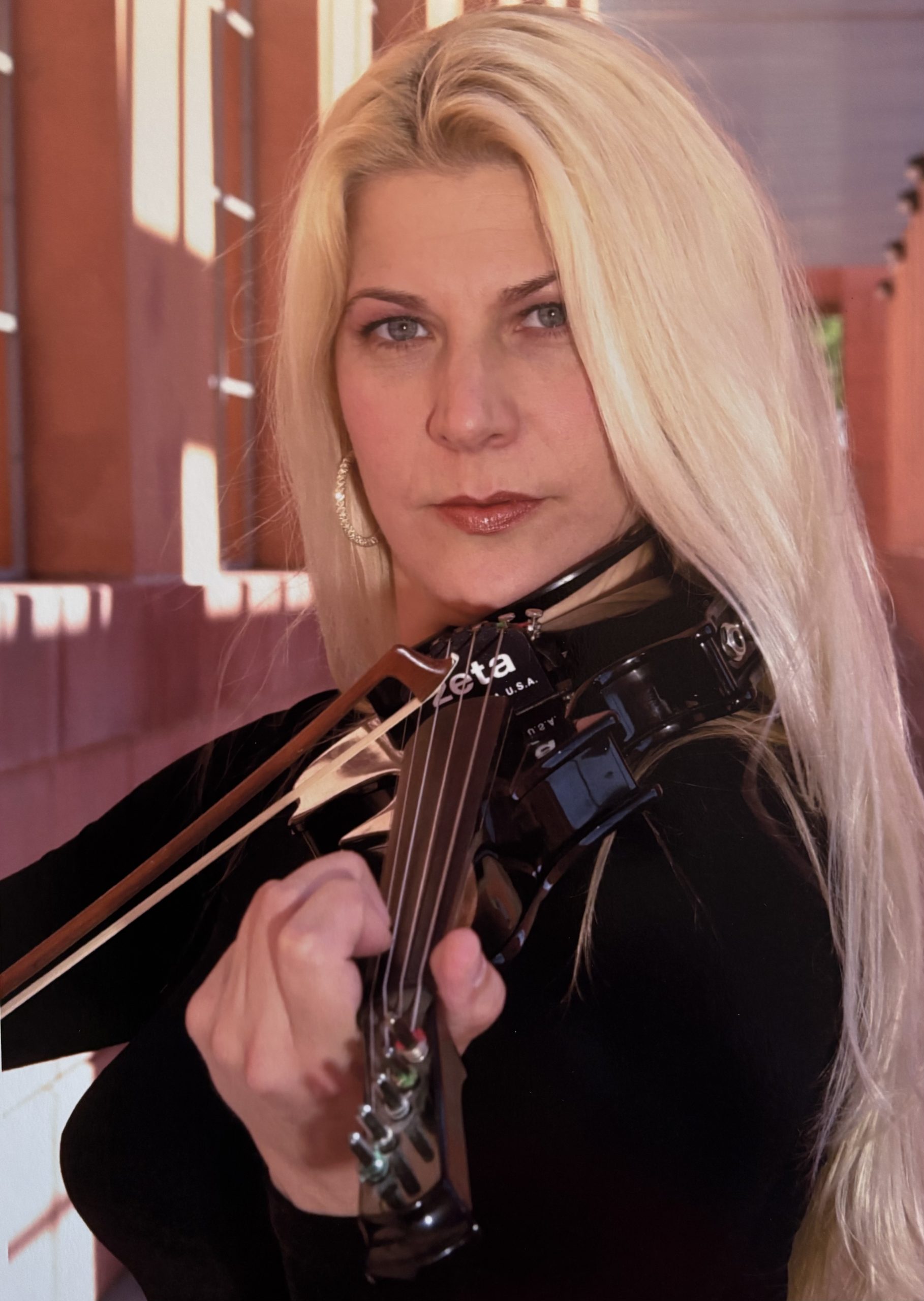
Rebecca McDonnell’s music lives at the intersection of classical precision, indie-rock experimentation, and a genuine desire to create on her own terms. From performing in orchestras and bands across North America to exploring the possibilities of her electric violin in the studio, Rebecca has built a sound that refuses to stay in one lane. Her latest song, “Won’t Regret It A Bit”, is a celebration of individuality in a world increasingly shaped by likes, follows, and outside approval. We caught up with Rebecca to talk about trusting the songs to lead the way, finding balance between discipline and spontaneity, and where her musical curiosity might take her next.
You have a unique background as a classically trained violinist and violist who has moved into indie rock songwriting. How has your classical training shaped the way you approach writing and producing modern music?
When you are in the middle of a symphony orchestra, there are many parts that are being played at the same time. The woodwinds might have the melody and the strings are providing the harmonic accompaniment, or the brass section gets the spotlight with the percussion while the strings are providing rhythmic pizzicato. I think all of this has shaped the way I write music in that I look for different textures of sound to put together. It’s the combination of instruments that makes things really exciting, along with getting an organic-sounding texture whenever possible.
You handle almost every part of your releases yourself, from songwriting and vocals to production, mixing, and mastering. What drew you to becoming so involved in every stage of the creative process?
I wanted to find a way to get the music that was in my head recorded. When I looked into recording options, I started like most musicians and used MIDI programs and GarageBand. I found that once I started putting down tracks, the ideas just started flowing. The more I worked on the song, the more instruments I found I could use, and it sounded like a real band.
I then decided to take it up a notch and actually learn how the professionals do this, so I enrolled in a Music Production Technology program that had just been established at Daytona State. It was here that I learned Pro Tools, which changed everything. The recordings I made sounded more professional, and discovering all of the things you can do in a session made me want to keep doing it. The draw to all of this is that I love it!
“Won’t Regret It A Bit” is built around confidence, independence, and doing things on your own terms. Was there a particular moment or experience that inspired that fearless mindset?
This track is the culmination of personal experiences that I could only truly express through music. I would often try to keep the peace and be the bigger person in difficult situations, but I decided to speak my mind as a songwriter and singer. The song just naturally unfolded with all of the independence and confidence that I had all along.
The song began with a bass line before anything else came together. What was it about that initial idea that made you realise it had the foundation for a full track?
This bass line is driving and has momentum all on its own. Like many of my songs, there is a bass line that will be in my head and will play over and over again until I take it into the studio. After I put it down and add drums, I then decide what more instrumentation there needs to be besides the vocal track.
“Won’t Regret It A Bit” just felt right and came together with only a few more tracks. It’s great if you can get the music to match the lyrics of your song, so I was thrilled that the empowering subject matter did that with the music.
The track embraces simplicity and attitude rather than overcomplicating the production. Was that a conscious decision, especially coming from such a technical musical background?
It all just happened naturally. I like to let the songs I write take on a life of their own, so I let the song decide which way to go. I usually layer sounds and different instruments to get the sound I want. “Won’t Regret It A Bit” came together with the basic tracks I started with. I love when that happens!
You’ve performed in orchestras as well as fronting bands across different parts of North America. How have those different performance environments influenced the artist you are today?
I think it has taught me about acoustics. There are some places that musicians will play and it does not sound the best, even if they are performing well, and sometimes it is extremely loud because of all of the reflective surfaces. It makes you think… I know it usually sounds better than this, right??
It has made me appreciate a good venue where everyone can hear you at your best, and to make the necessary adjustments when you are playing live. It has also taught me that the number of people in the audience does not matter. Always sing and play from your heart, even if it is to one person.
Your music brings together precision and experimentation. How do you balance the discipline of your classical background with the freedom and spontaneity of indie rock?
Balance. Such a great concept, and so necessary in life and music. I do different things on different days to provide balance. My favorite thing to do in the studio is make my violin sound like a guitar. I like to put a guitar amp on it and solo like Steve Morse would.
Sometimes I do layers of vocal tracks like Pentatonix would. Some days I just work on percussion tracking. When the song is the way I want it to be, I work on mastering and mixing. Every day is a new adventure in my studio!
The message of “Won’t Regret It A Bit” is about embracing yourself without seeking approval from others. Why did that message feel important to express through this song?
I think the world has evolved into this “like and follow” mentality. It translates into the mindset of if you don’t have the likes, then nobody cares about you, and you are not good enough. This mentality reaches further and grabs a hold of us, holding us back.
I wanted to make a statement that it is okay to be yourself, even if it is not the popular opinion, even if it takes you out of your comfort zone.
Looking ahead, what are you hoping to explore next — both musically and creatively — as you continue developing your sound?
I want to explore more ways to fit my violin into popular songs. It does not go with everything. “It’s A Lot Like Love” and “La Bianca” are songs I wrote that I actually kept the violin solo on. Many times I decide to make the violin part into an acoustic guitar track or organ part.
I would also like to explore writing in other genres, like Electronic Dance Music and Dubstep. I have been experimenting with my Zeta five-string electric violin on some of these tracks, and it is really cool! I want to keep producing good music and have a great time doing it.