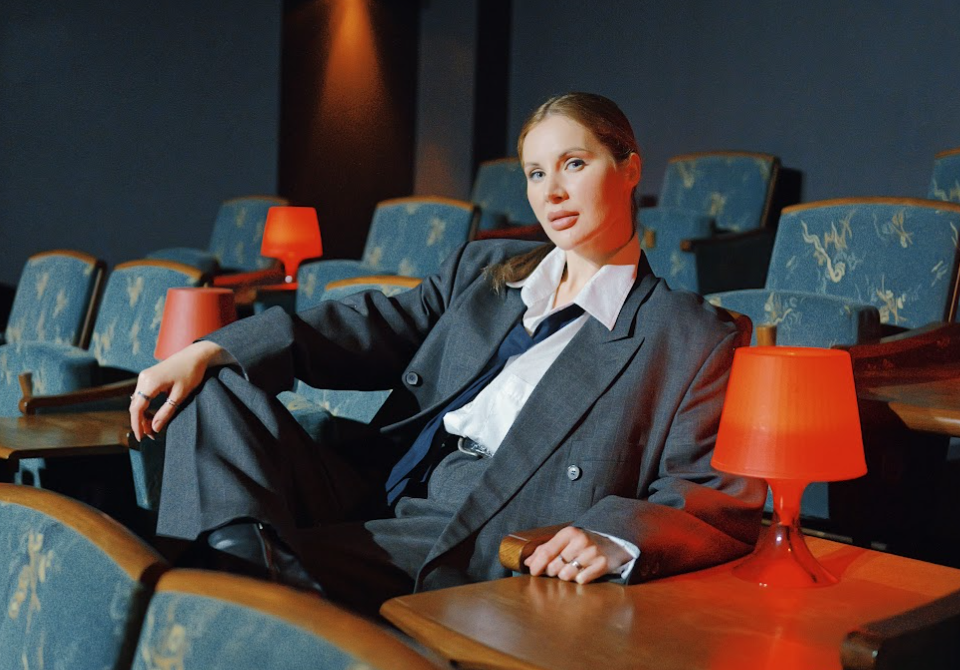
In a time when curated identities and algorithm-driven lives often shape our reality, Ukrainian singer-songwriter Natisa Gogol returns with a poignant reminder of what’s real — and what’s not. Her new single “Matrix,” available now on all major streaming platforms, is more than just a haunting, piano-led ballad. It’s a manifesto — one that cuts through the noise with philosophical clarity and emotional depth.
Rooted in Gogol’s personal journey of awakening and self-reclamation, “Matrix” unfolds as a soul-stirring challenge to the listener: Are you truly living your own life — or simply performing a version designed by others? The song draws its emotional and sonic power from a delicate interplay between minimalistic production and raw, introspective lyrics. Chopin’s Fantaisie-Impromptu echoes subtly beneath the surface, anchoring the track in a classical tradition while simultaneously disrupting it — much like the song’s message.
In this latest work, Gogol turns the cultural metaphor of “the Matrix” on its head. While the reference to the cult-classic film is undeniable, her use of it extends far beyond cinematic homage. Here, the matrix is every invisible system we’ve internalised — social scripts, gender roles, inherited beliefs, and capitalist illusions — all of which push individuals further away from their own truth. Gogol’s voice trembles not with fear, but with urgency, pressing listeners to confront their own complicity in these illusions.
The song’s intensity is matched by its artistic integrity. There is no fluff here — only an unflinching confrontation with the self. This is not escapist pop; it is protest in the form of melody. It is a call to be unprogrammed, unfiltered, and unafraid.
Adding to its impact is the upcoming music video, directed by Farid Alijanov — a one-woman visual odyssey that mirrors the song’s internal war between suppression and self-liberation. With minimal cast and maximal emotional range, the video promises to be a cinematic extension of the song’s defiant spirit.
In a world full of noise and distraction, “Matrix” dares to ask the quiet, uncomfortable question too few are willing to face. It is Gogol at her most fearless — not just as an artist, but as a truth-teller.