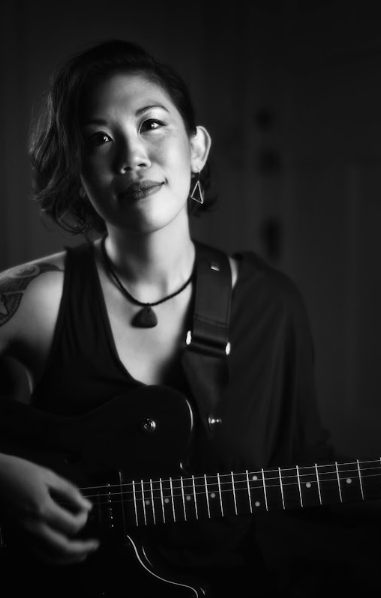
Any Other Way unfolds like a musical travelogue, but one that charts interior landscapes as much as geographical ones. Written during a decade of wandering across the United States, South America, Eastern Europe, West Africa, and Asia, the album carries the unmistakable imprint of roads taken and paths abandoned. Wang’s observation that she spent years walking a path already mapped before realizing she held the paper upside down resonates throughout these songs, which pulse with the energy of discovery and the wisdom of hindsight. The album does not simply describe places but captures the emotional states that travel provokes, the disorientation of unfamiliar streets, the comfort of unexpected kindness, the strange intimacy of conversations with strangers that somehow reveal more than years of familiarity.
The production choices throughout the album reflect this nomadic sensibility, with Panich’s mixing creating a soundscape that feels both expansive and intimate, like the view from a train window at dusk. The shoegaze textures that surface on tracks like “Satellite Sky” and “Echo Park” evoke the sensation of movement, of landscapes blurring past, while the more stripped-back indie folk moments on “The Art of Losing” and “Wildflowers” capture the stillness of arrival, the quiet moments of reflection that travel affords. Wang’s lyrics navigate this tension beautifully, moving between the concrete details of specific locations and the universal emotions that those places provoke, between the external world of foreign shores and the internal world of the heart.
What makes this travel narrative particularly compelling is Wang’s refusal to exoticize the places she visits or the people she meets. Rather than positioning herself as a tourist collecting experiences, she presents herself as a witness to shared humanity, finding common ground across cultures and continents. The album celebrates universal emotions that connect us all, a theme that feels especially resonant in an era of increasing division. The contributions of her international ensemble embody this philosophy, with musicians from Serbia, Yugoslavia, and Taiwan creating a sound that is truly global without being generic, specific without being parochial.
The immersive concert experience Wang has designed for the album’s live debut at Venia Studio extends this theme of travel and connection into the realm of performance. By combining ambient soundscapes, installation art, mixed media, and fashion, she creates an environment that encourages the kind of slowing down and reflection that travel at its best affords. This is music that understands the journey itself as the destination, and Wang invites her audience to become fellow travelers rather than mere spectators. The result is an album that feels like a well-worn passport, stamped with memories and moments, a document of a life lived with eyes wide open to the beauty and pain of the world.